
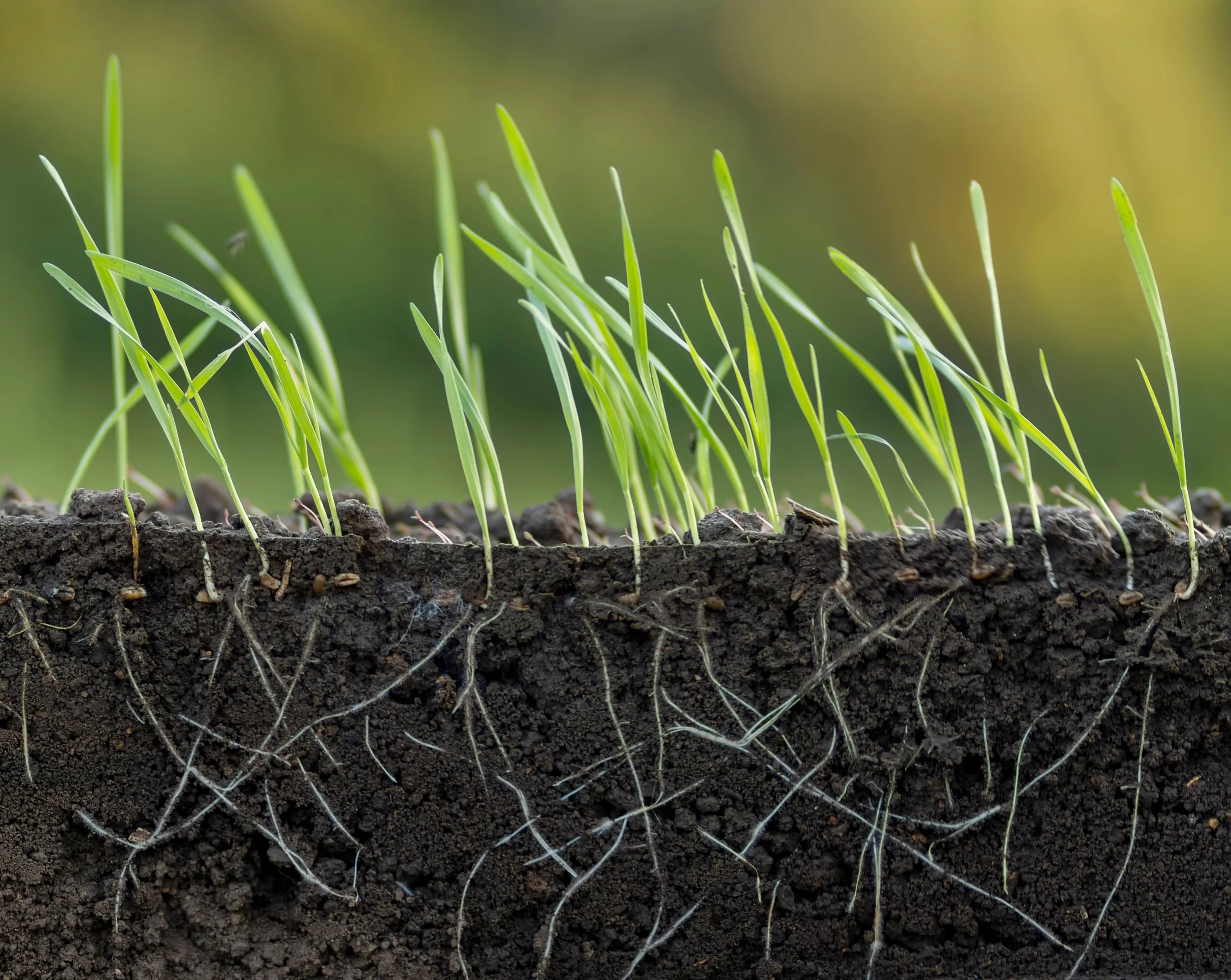
Optimising Crop Establishment
The Optimising Crop Establishment project is a national initiative led by the Grower Group Alliance (GGA) and supported by the Grains Research and Development Corporation (GRDC). The project aims to improve crop establishment through practical demonstrations, grower workshops and regionally relevant extension activities.
CWFS ‘Weather Wise’ project
Weather Wise Agriculture is a practical program designed to help farmers better manage climate variability, improve drought preparedness and build confidence in business decision-making.

Supporting the development of standardised On-Farm Experimentation approaches in the Northern Region
This project supports the development and adoption of standardised approaches for paddock-scale on-farm experimentation in NSW, improving the value, consistency, and usability of results for farmers and advisors.
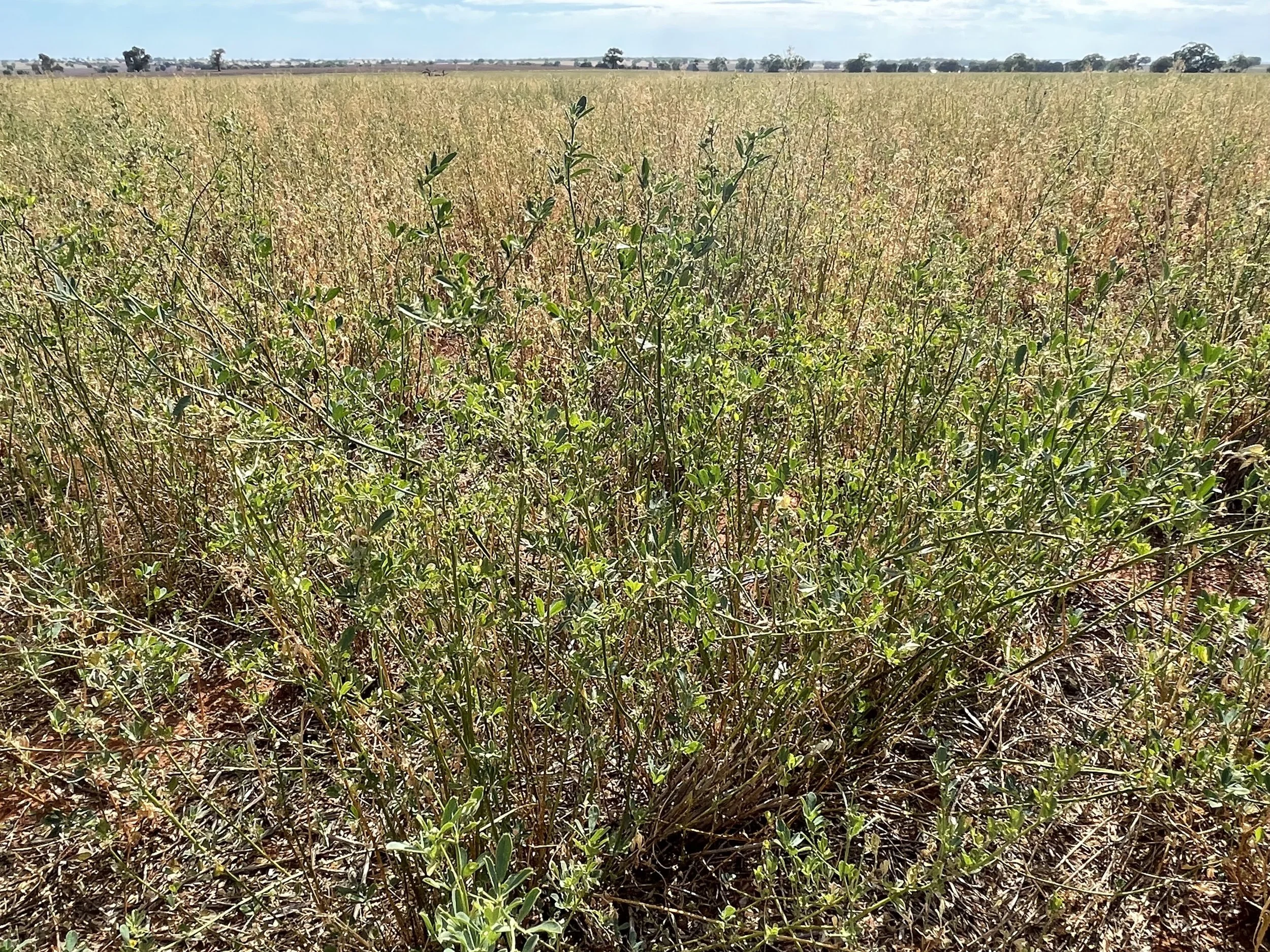
Mixed Farming Systems Long-term Field Trials – CWFS Drought Resilient Farming Practices Long-term Lucerne Project
This long-term project is trialling multiple lucerne cultivars under variable seasonal and drought conditions to help producers in low-rainfall zones better understand lucerne growth, soil moisture use and management strategies that improve resilience.
Through a replicated trial at the CWFS Fettell Centre and a community-of-practice model, the project uses field measurements and ag-tech data to support evidence-based decision-making in mixed farming systems.
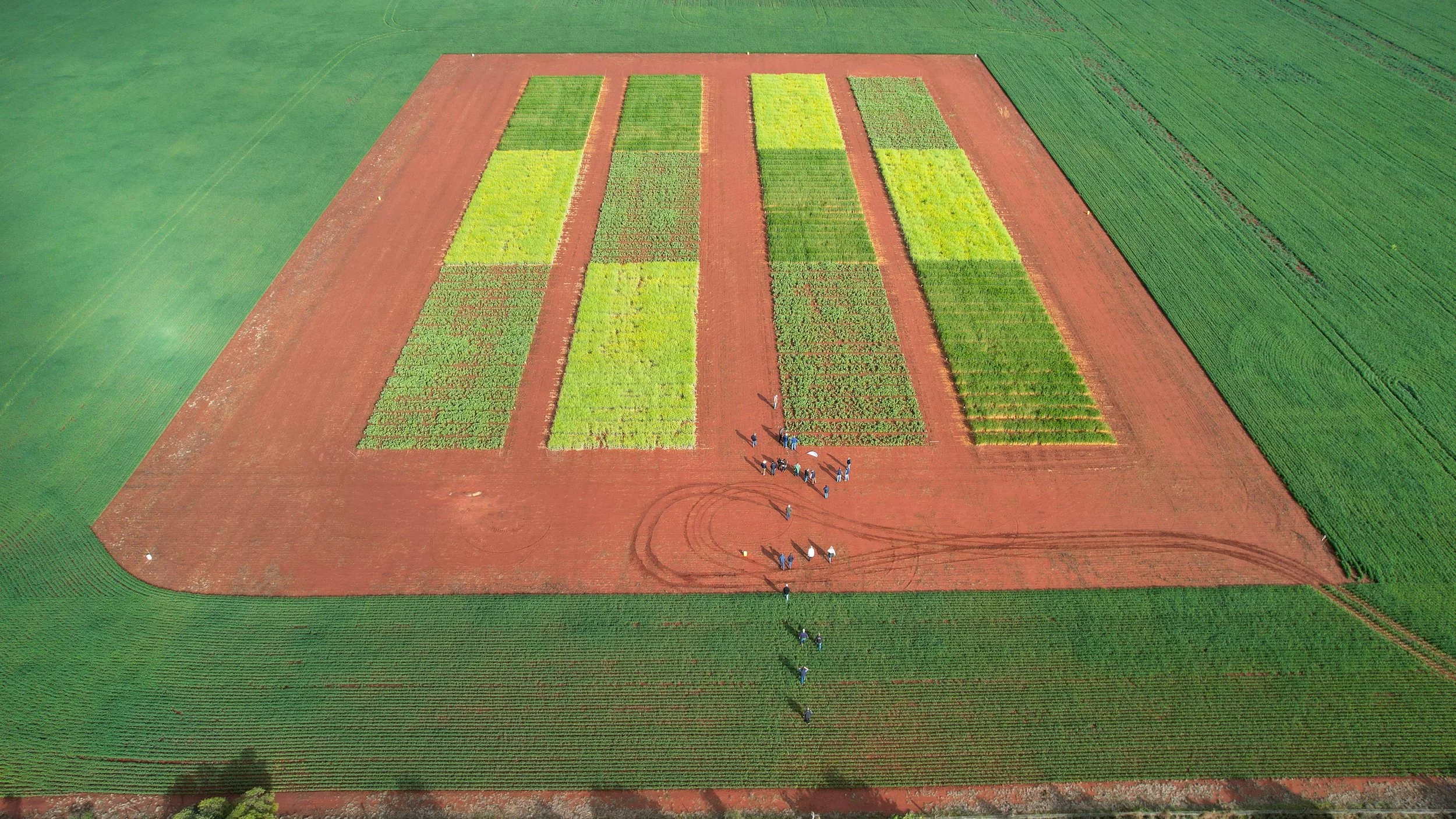
Accelerated Adoption Project
To develop and validate a framework that accelerates the translation of Soil CRC research into practical on-ground adoption by farmers.
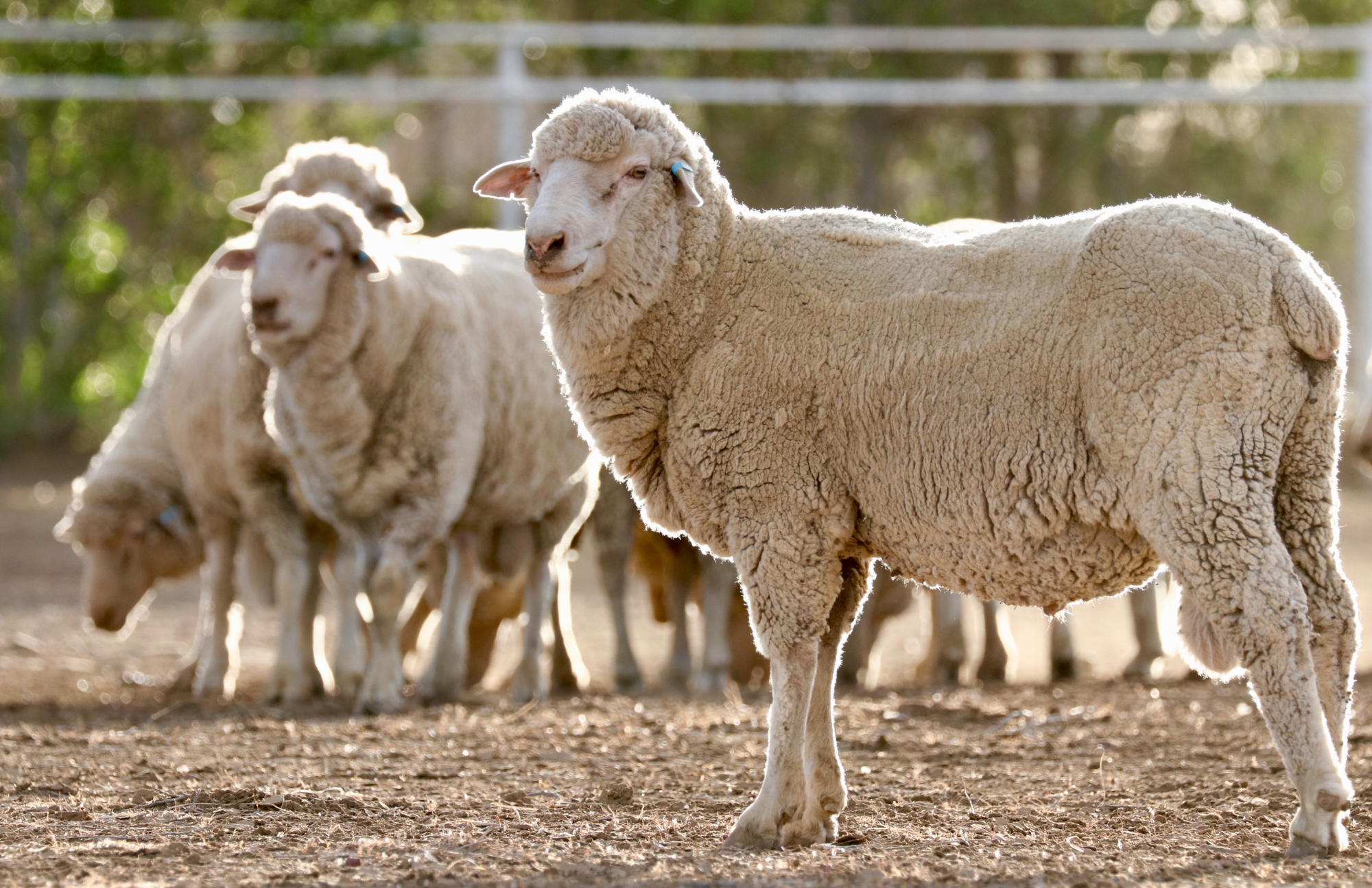
Improved decision making for climate-smart flock management
Australian sheep producers are on the frontline of climate challenges - from managing pasture through droughts to maintaining flock productivity under variable conditions. With support from the Australian Government’s Climate-Smart Agriculture Program under the Natural Heritage Trust, a new $2 million project will help farmers trial and adopt flock management strategies that boost resilience, productivity, and sustainability.
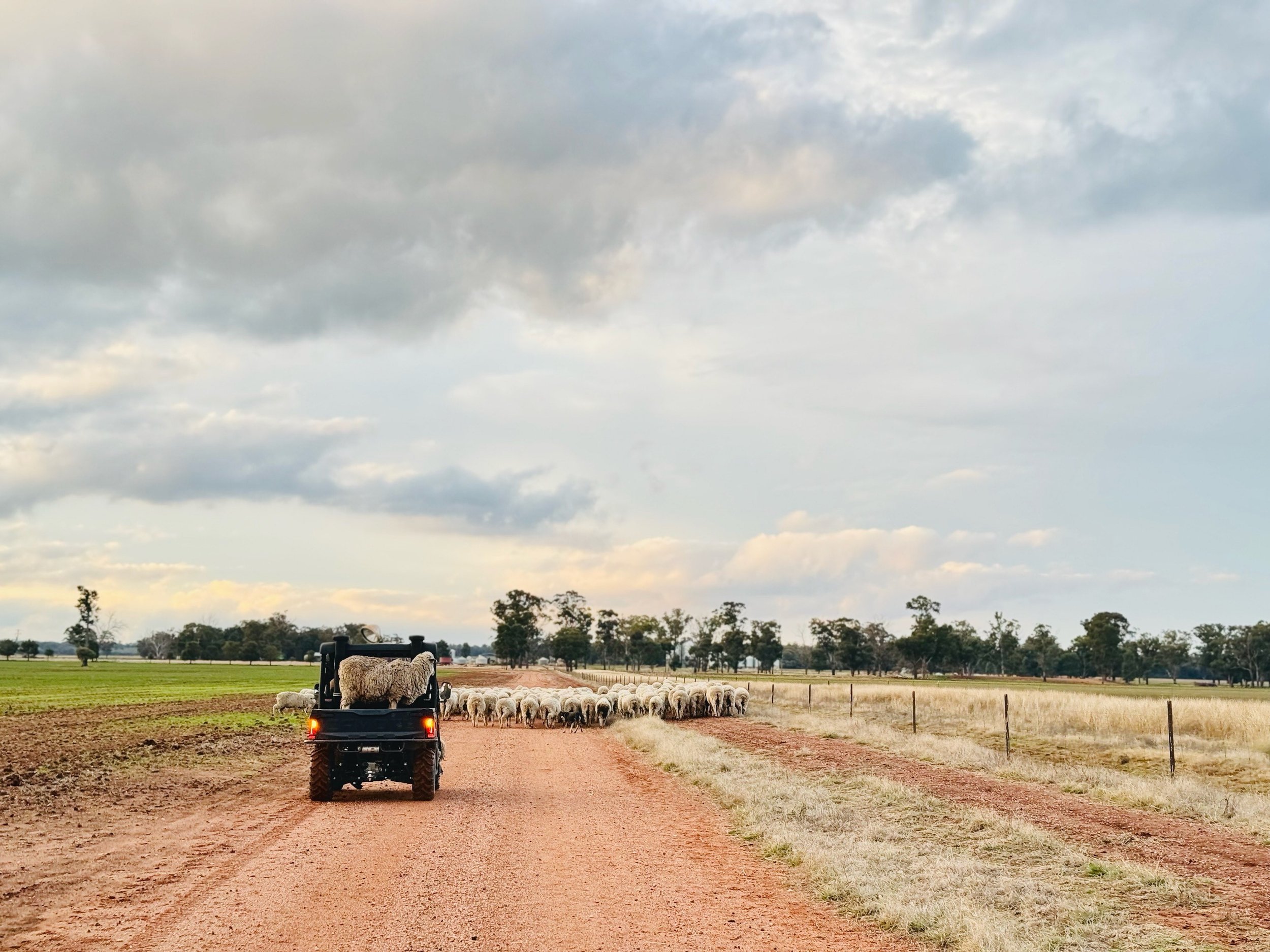
Drought and climate resilient sheep farms and landscapes tailor-made for low rainfall farming regions
This project will enhance resilience of sheep production systems by combining climate resilient sheep with novel, drought tolerant pastures, shrubs and trees which enhance consistency of feed supply, stabilise and improve landscape health, and create microclimates that increase sheep welfare and productivity.
Soil Carbon Capacity Building
The Soil CRC’s free Soil Carbon Capacity Building webinar series helps NSW farmers, landholders, and advisors understand and manage soil carbon on-farm.
Across seven webinars — six already delivered and available to view — the series covers soil data access, interpretation, and region-specific practices for improving soil carbon.
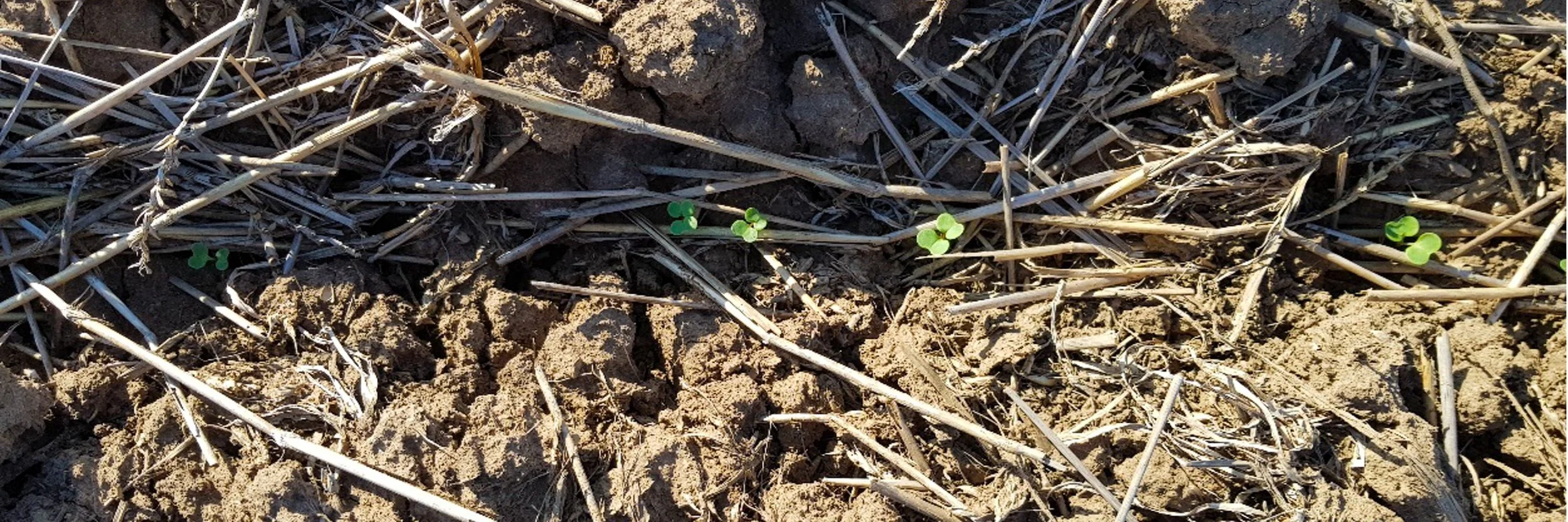
Evaluating novel approaches for drought resilience through capitalising on an established network of long-term trials
This project uses long-term trial sites and advanced crop modelling to compare innovative and conventional soil and farm management practices, assessing their impact on soil water, productivity, and resilience under current and future climate scenarios.
Its goal is to build drought-resilient farming systems across Australia by identifying practices that strengthen productivity, profitability, and recovery in dryland, grazing, and mixed farming environments.
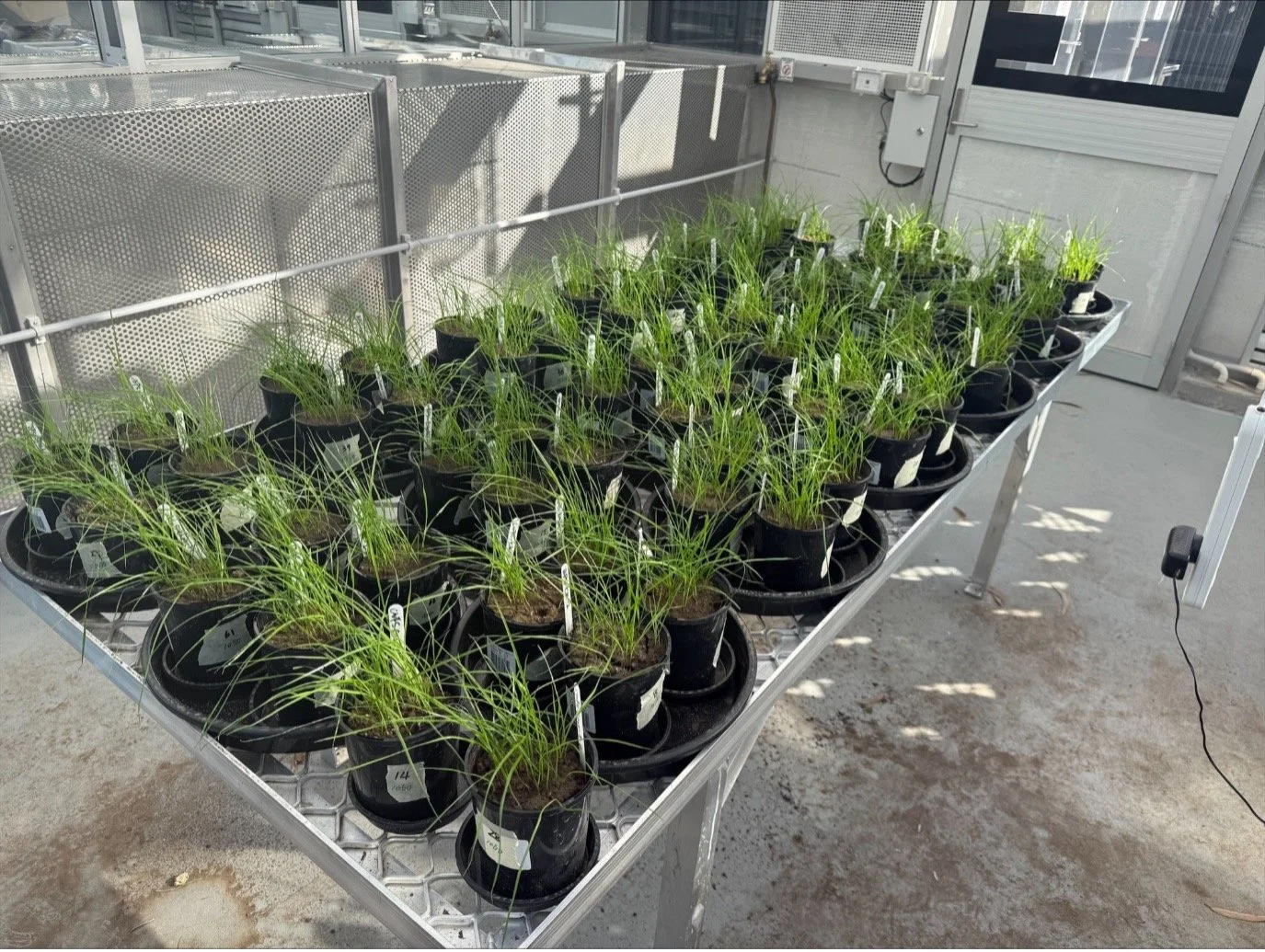
Organic-Based N Fertilisers
This project is testing three new slow-release organic-based nitrogen fertilisers—made from peanut shell biochar, cow manure, and green waste compost—to determine whether they can improve nitrogen use efficiency, crop performance, and soil health compared with conventional urea.
Trials in NSW, VIC, and QLD will measure crop uptake, yield, and soil function across multiple farming systems to assess their potential as more sustainable, cost-effective fertiliser options.
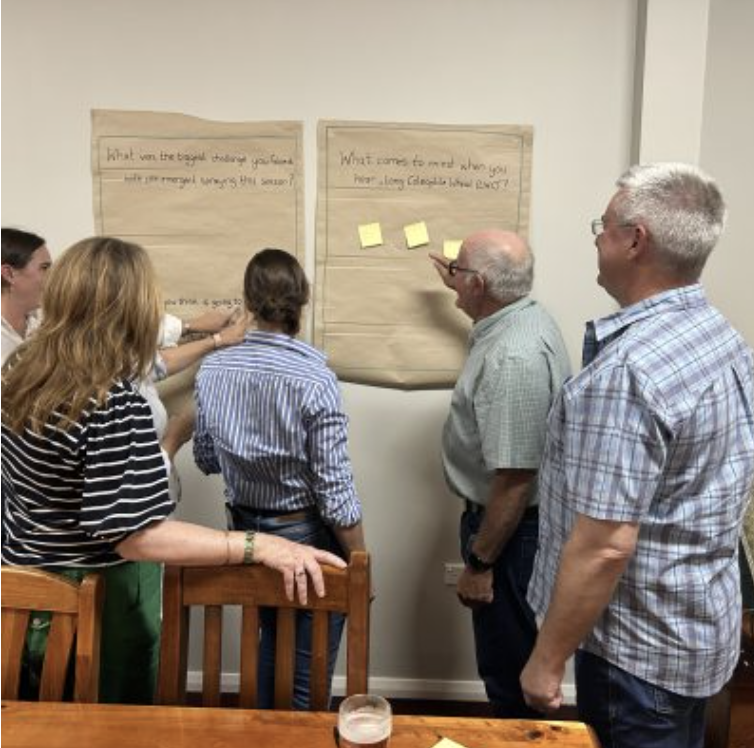
De-risking the seeding program
This project supports growers to adopt strategic dry and early sowing practices that better suit their local conditions, helping them manage increasingly unreliable season-opening rainfall across southern Australia.
By working with 15 farming systems groups, including CWFS, the program aims to accelerate knowledge, confidence, and adoption of improved seeding strategies that reduce risk and enhance resilience.
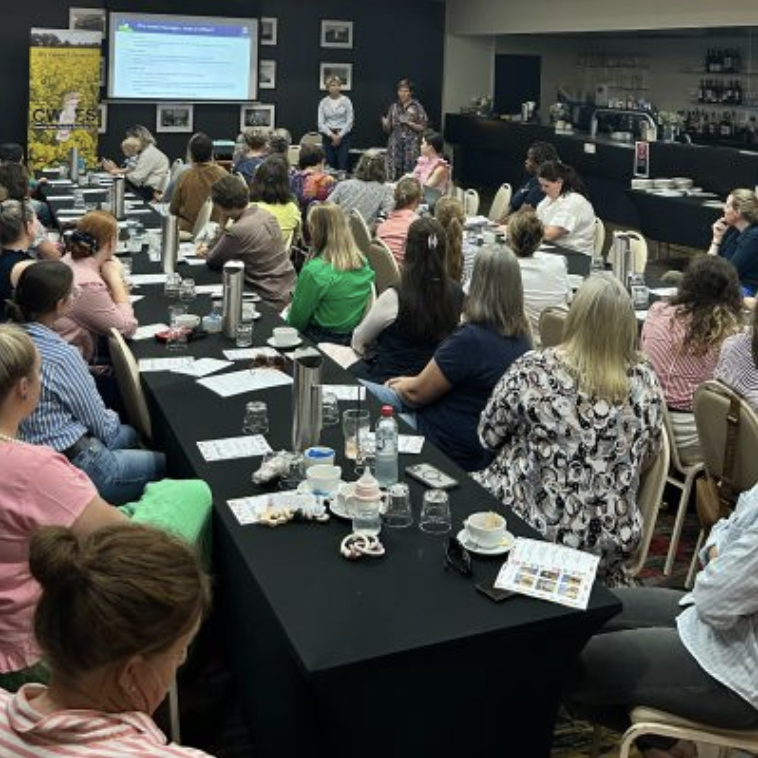
National Industry-led Carbon Farming Outreach Program
This national program brings together 40 grower and land-management groups to deliver carbon farming training to more than 3,500 farming enterprises, helping producers reduce emissions, build carbon literacy, and explore carbon farming opportunities.
Through workshops, train-the-trainer programs, and ongoing advisor support, the initiative aims to build long-term capability across Australia’s broadacre and pastoral industries.
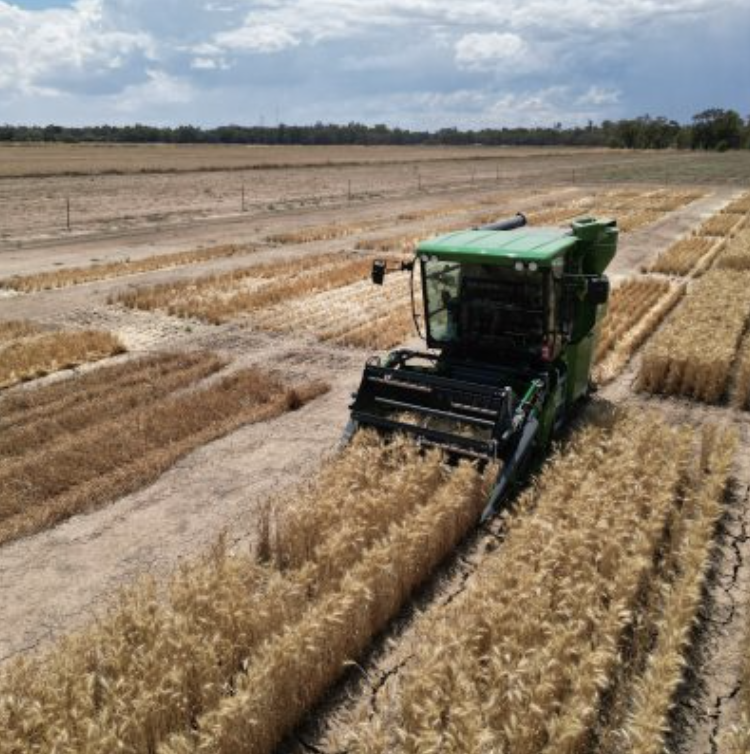
RiskWi$e
RiskWi$e is a national five-year, $30 million GRDC initiative helping grain growers better understand and manage production and financial risks by improving their knowledge of risk–reward trade-offs in key on-farm decisions.
Through participatory action research across Australia, the program engages growers directly in analysing nitrogen, sowing, agronomic, financial and natural resource decisions so they can make more confident, resilient and profitable choices in an increasingly unpredictable climate.
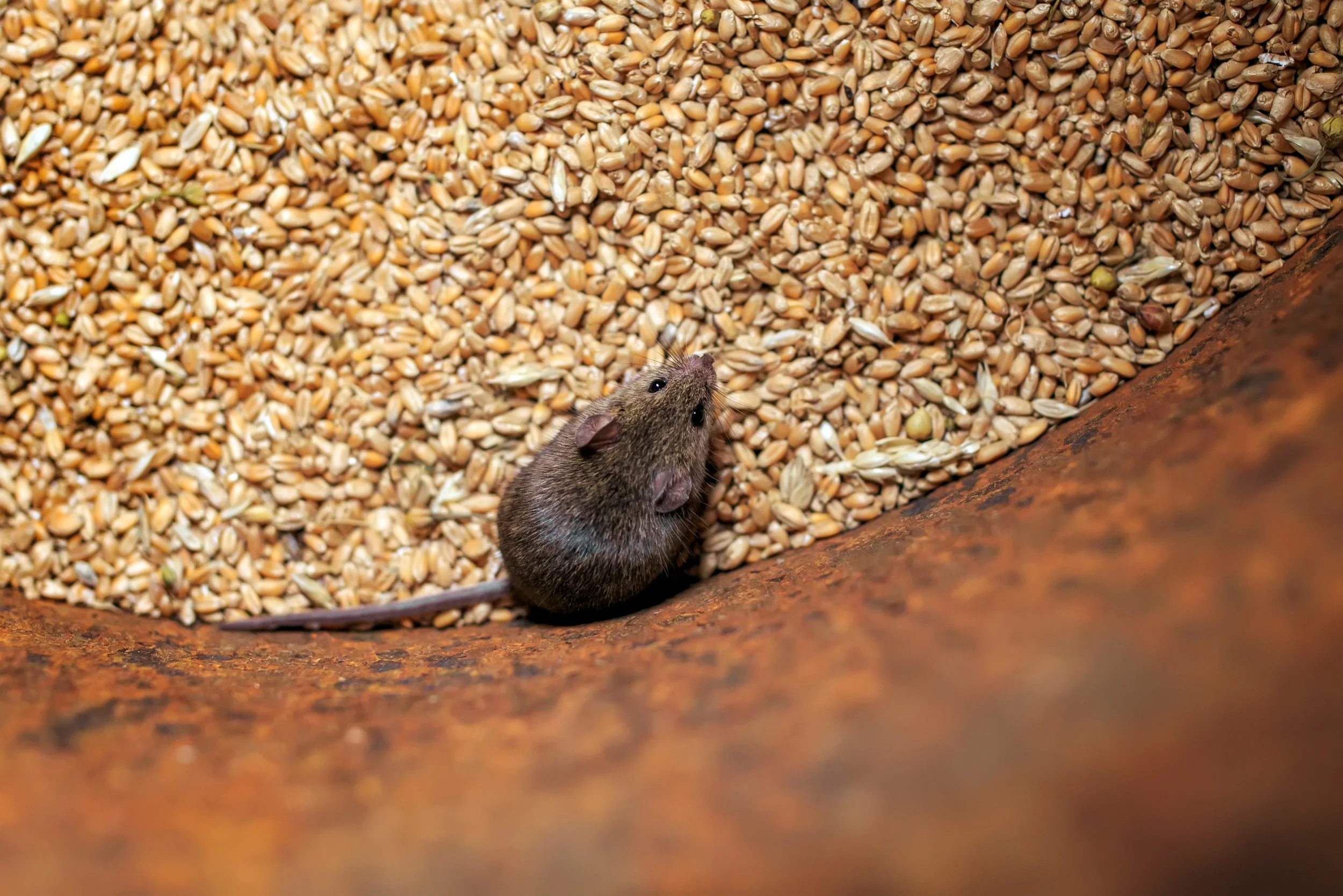
CSIRO Mouse Monitoring
This project conducts rapid mouse-monitoring across multiple Central West NSW sites to track population size, breeding activity and seasonal trends using chew cards and active burrow counts.
By generating consistent, long-term data, CSIRO and CWFS can improve outbreak forecasting models and support growers with earlier, more accurate predictions of mouse population surges.
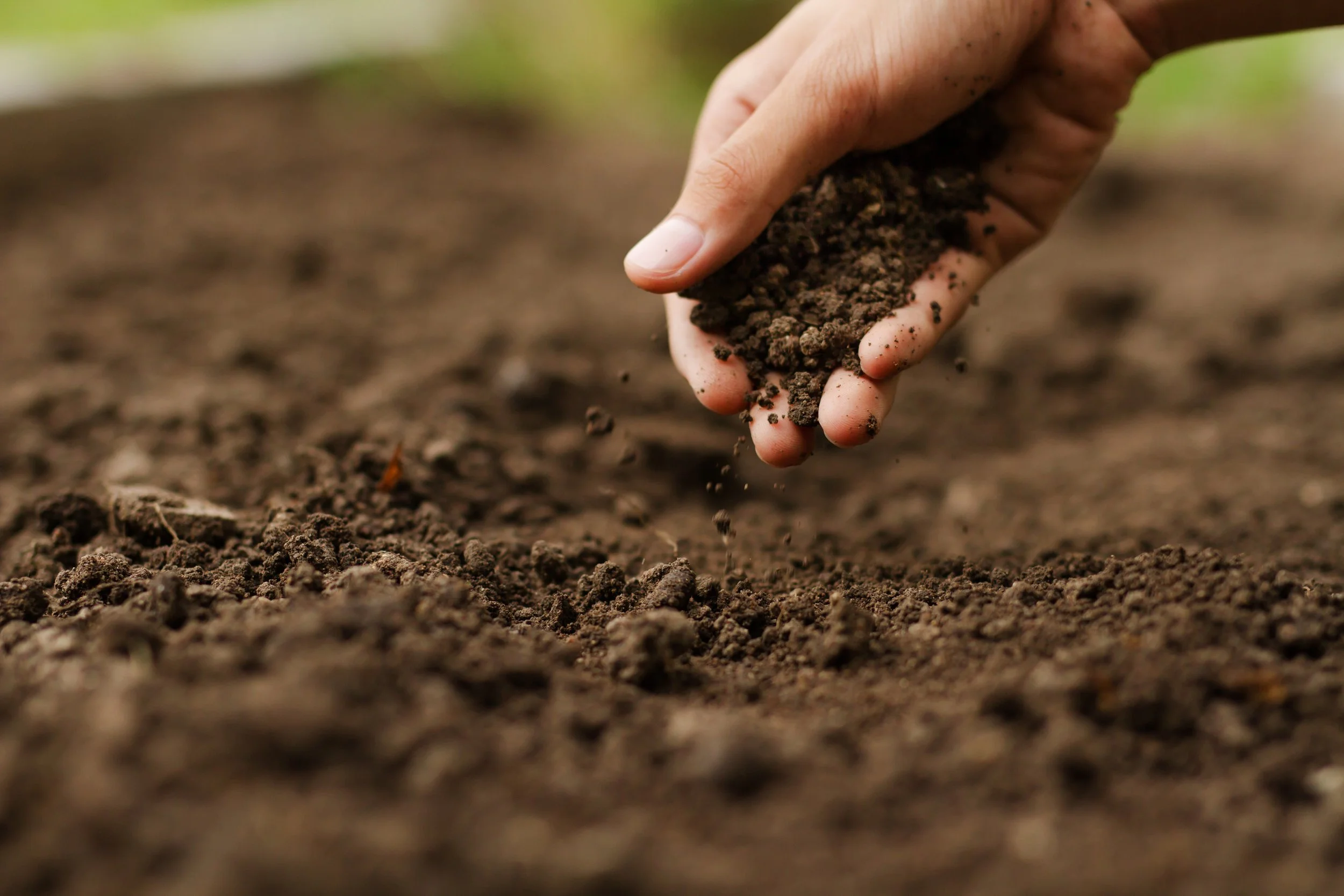
Building resilient soils and enhancing carbon stocks in cropping systems through plant diversity
This project is examining how greater plant diversity—through cover crops, intercropping and varied crop rotations—can improve soil resilience, boost carbon dynamics and maintain or lift productivity in Australian cropping systems.
Using long-term trials at CWFS and partner sites, researchers are measuring impacts on soil carbon, microbial communities, soil structure and system performance to identify practical agronomic strategies that build healthier, more resilient soils.
Visualising Australia’s Soils
This project is expanding Australia’s national soil data federation to allow researchers, farming groups and producers to access, share and visualise detailed soil and agricultural data through an online portal that supports better on-farm decisions and future research.

Rhizobial Carriers
This project is developing and testing new organic and inorganic carriers for rhizobial inoculants to improve rhizobia survival, nitrogen fixation and crop performance, addressing the limitations of peat-based carriers and heat- and moisture-related losses.
By evaluating biochars, biopolymers and other low-cost materials across diverse regions and soils, the research aims to deliver practical, cost-effective alternatives that boost legume productivity and soil health in Australian farming systems.
Soil water storage
This project is measuring how different soil management and amelioration strategies influence soil water infiltration, storage and crop use, while also assessing water competition in mixed-species cover crops.
Improving Farming Systems efficiency in SNSW
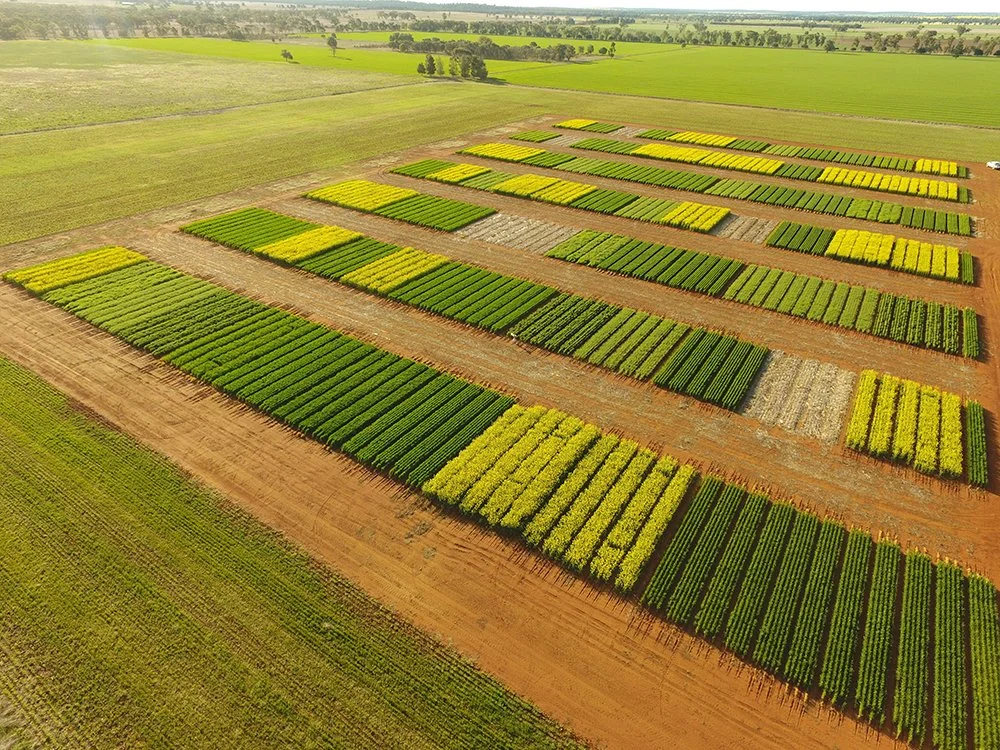
This project is improving whole-farm profitability in southern NSW by identifying the agronomic factors that drive returns and testing how strategic and tactical decisions—such as crop choice, sowing time and nitrogen management—perform across different farming systems.
Robust Weather Stations
This project is assessing how a unified network of 80 on-farm weather stations across NSW and Victoria can provide more localised, reliable climate data to improve bushfire and flood preparedness for farmers, emergency services and communities.