
Unlocking Soil Nutrients with Organic Matter
This project is investigating how composts, manures and biosolids can unlock bound soil nutrients and improve nutrient-use efficiency, developing innovative application methods that boost soil fertility and sustainability across different farming systems.
Recovering Nutrients from Organic Waste Streams
This project is developing low-cost, energy-efficient technologies to recover nitrogen and phosphorus from organic waste streams and turn them into effective fertilisers, reducing reliance on mined nutrients and improving productivity across diverse farming systems.
Building Capacity Project
This project is building the technical soil-health expertise of grower groups, Landcare groups and NRM organisations across Australia by creating communities of practice that strengthen their capacity to deliver high-quality, region-relevant soil management support to farmers.
Addressing Complex Soil Constraints
This project is developing and testing novel soil-reengineering approaches that can address multiple interacting soil constraints at once, helping farmers lift productivity, improve resilience and make better-informed decisions about managing their most limiting soils.
Soil Acidity & pH Management
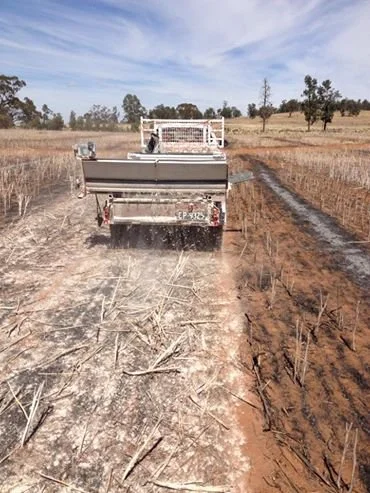
This project raises awareness of accelerating soil acidity in Central West NSW and demonstrates that applying adequate lime is essential to halt acidification, protect productivity, and sustain long-term grain farming viability.
GRDC Stubble Project
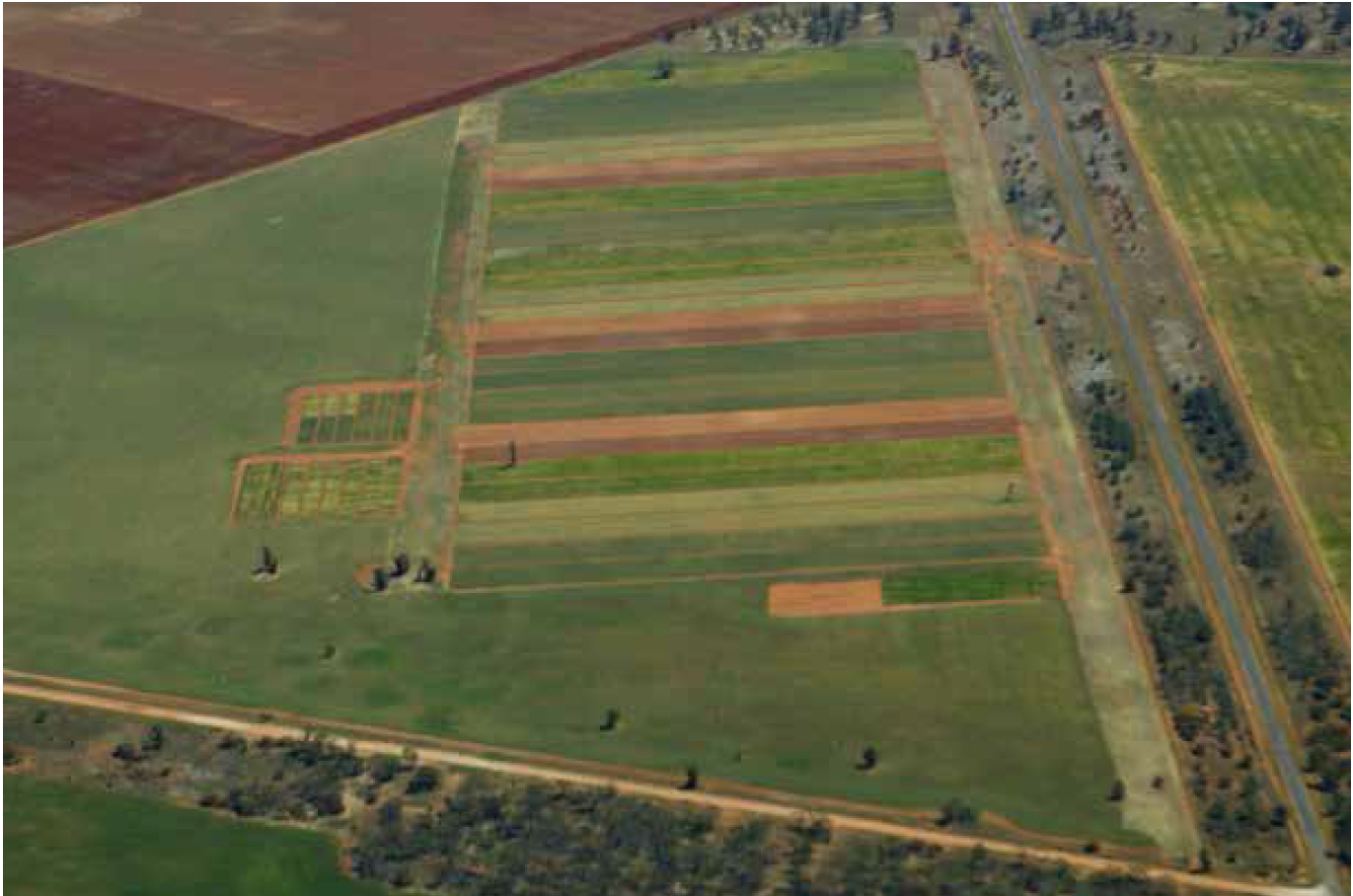
This project tested how different pre-sowing stubble treatments—burning, cultivation, harrowing, or leaving stubble standing—affect canola growth and yield across central western NSW.
2017 CWFS Spring Field Days Overview
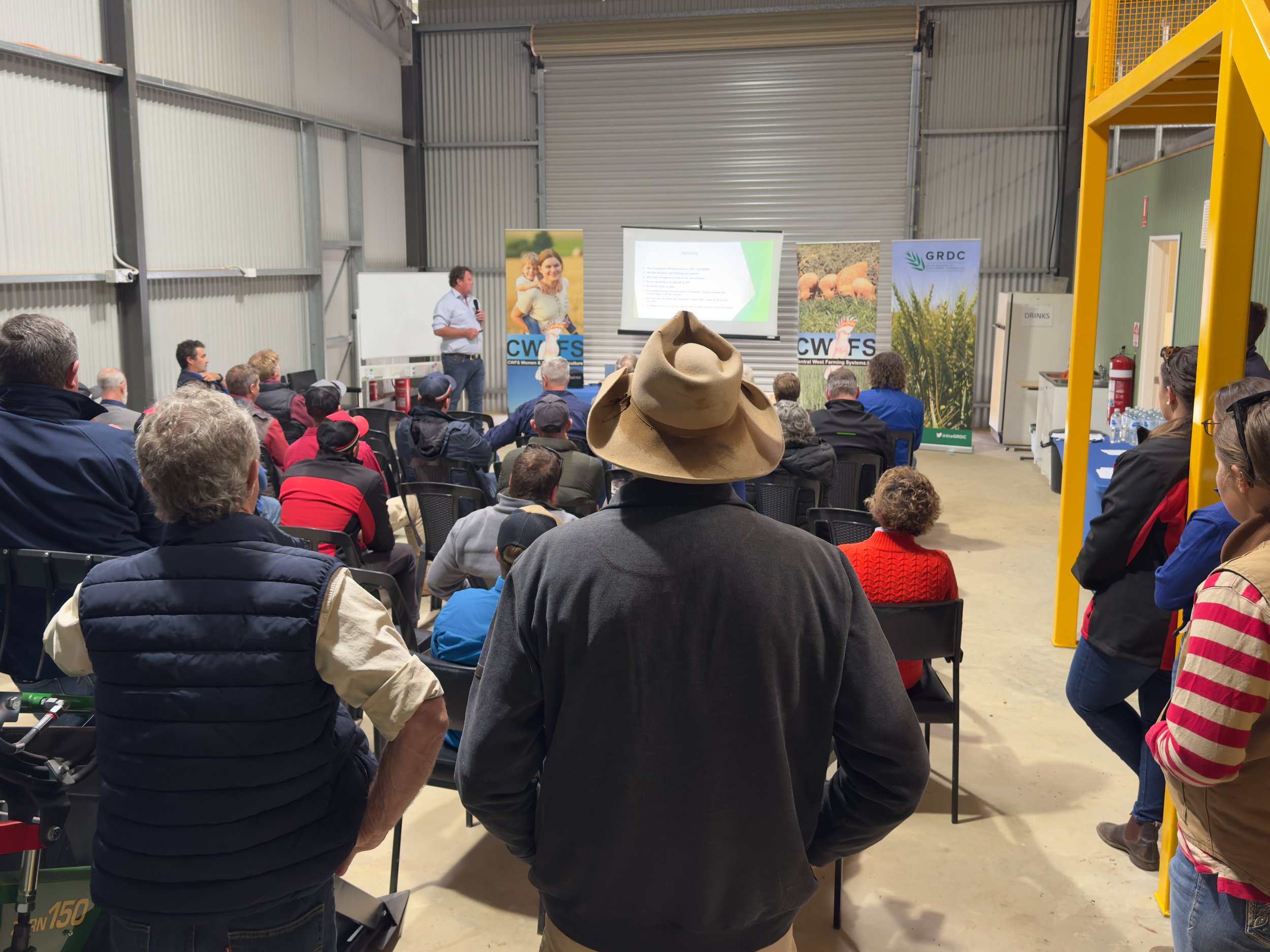
CWFS’s 2017 Spring Field Days brought growers together across five sites to explore stubble, nutrient and variety trials, discuss seasonal challenges and management insights, and connect with experts, showcasing valuable learnings from diverse seasons and strengthening grower knowledge and networks.
Overdependence On Agrochemicals
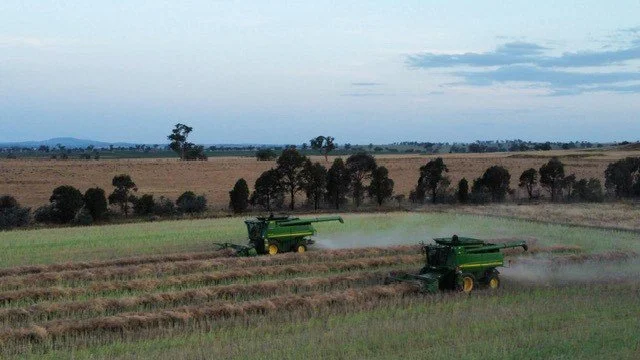
This project evaluates low-cost harvest weed seed control methods—narrow windrow burning and EMAR chaff decks—to assess how effectively they concentrate and reduce weed seeds in local farming systems.
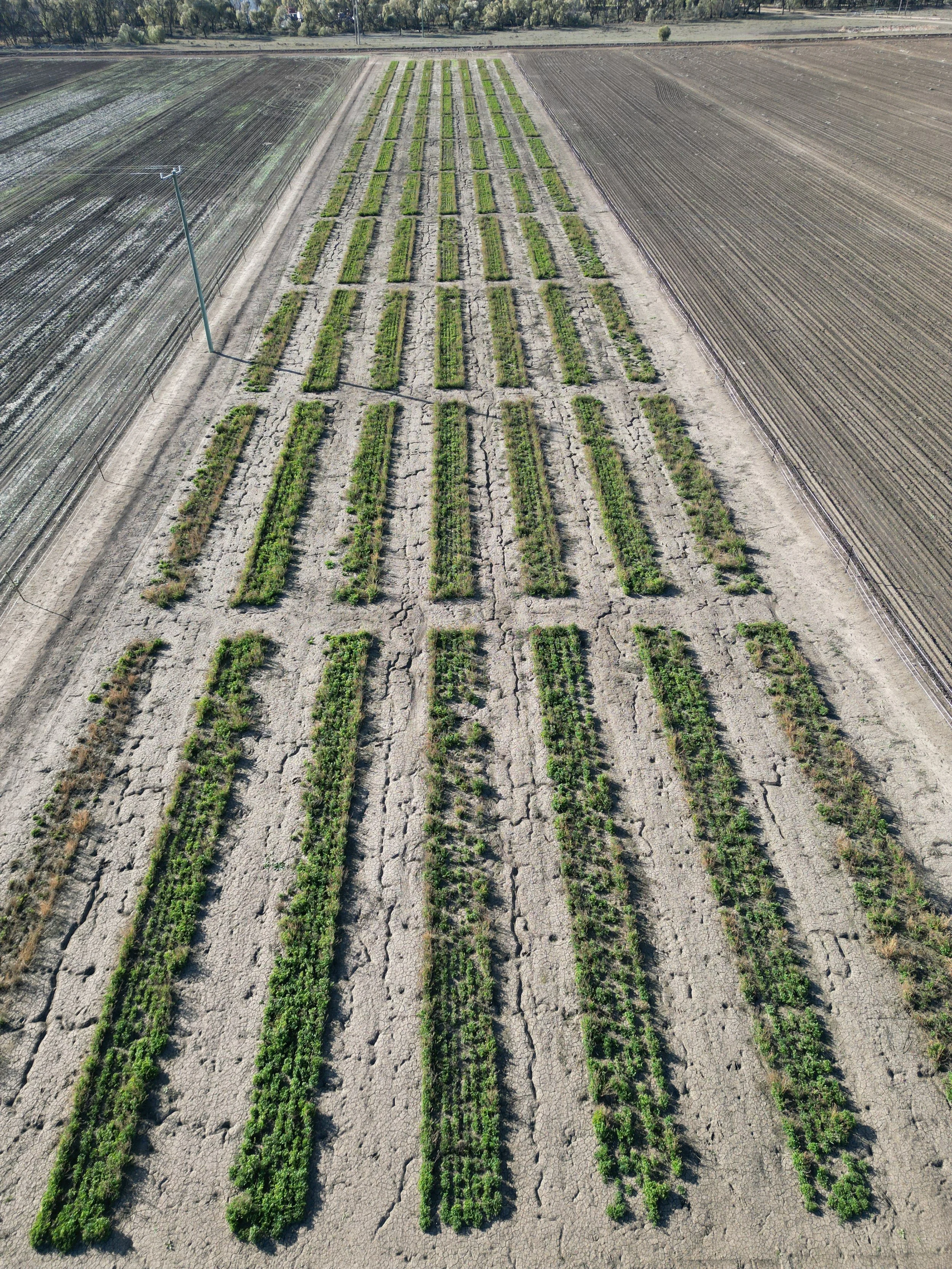
Sowing Early to Maximise Wheat Yield on Long Fallow
Early sowing of slow-developing wheat varieties on long fallow maximises yield by combining clean, weed-free paddocks with stored soil moisture, allowing crops to make the best use of accumulated water and reduced disease pressure.
Rain N Grain
This resource provides practical guidance on improving water use efficiency by managing fallows, weeds, rainfall-to-yield conversion, and dry-year sowing strategies, helping farmers optimise WUE across their cropping systems.
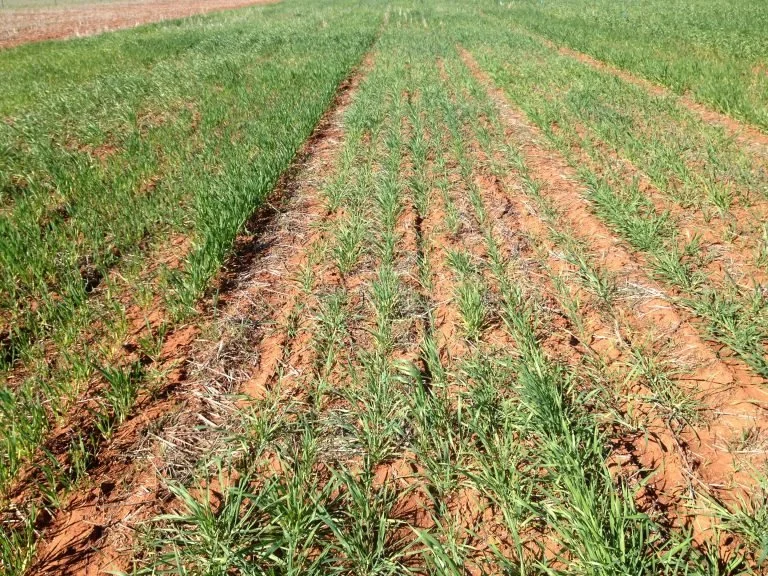
2014 and 2015 Lime Trials
The 2014 and 2015 trial reports for the GRDC funded Soil Acidity and pH management project.
Action on the Ground
This project assessed how different long-term farming systems affect soil carbon, soil health and farm resilience in central NSW, providing scientifically grounded data to help growers make informed decisions in the emerging carbon economy.
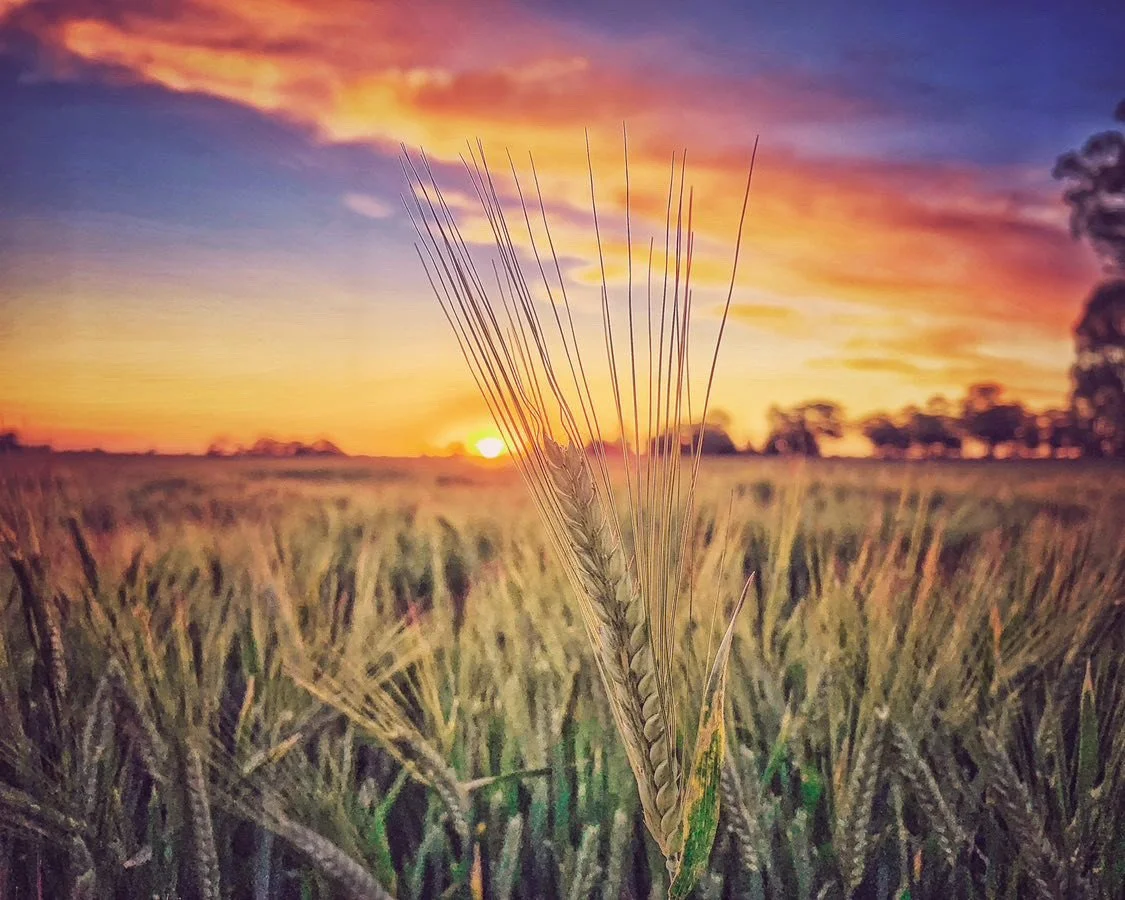
Early Sowing Project 2014
This 2014 early-sowing project showed how severe stem frost and BYDV pressure affected early-sown crops in southern NSW, with trial results from Junee Reefs and Rankins Springs offering important lessons for managing early sowing under high-risk seasonal conditions.
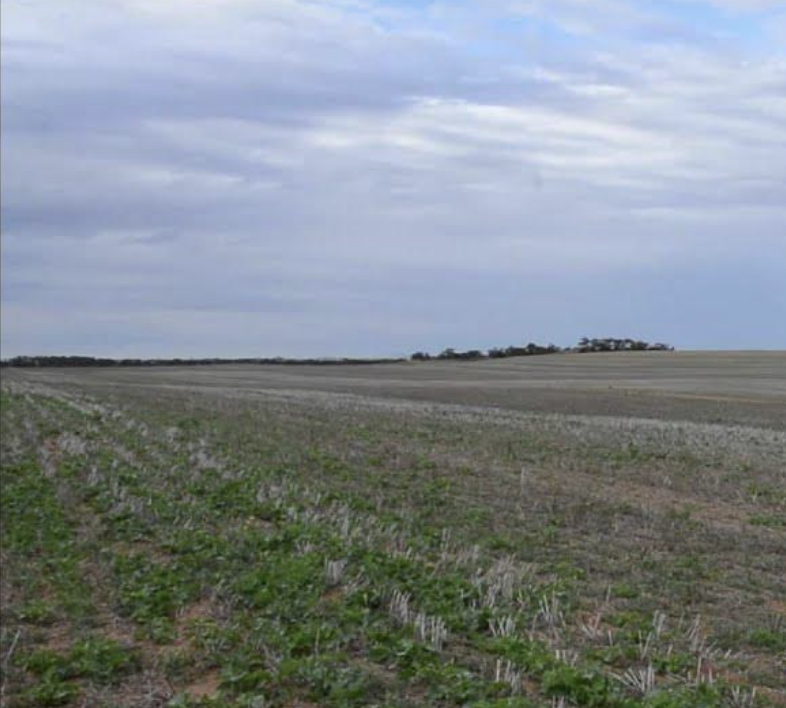
Impacts of a Crop Sequence
This project showed that including brassica or legume break crops in rotations can match or exceed the profitability of continuous wheat while improving weed control, reducing root diseases, boosting soil nitrogen and storing more water, delivering multi-year benefits to following wheat crops.
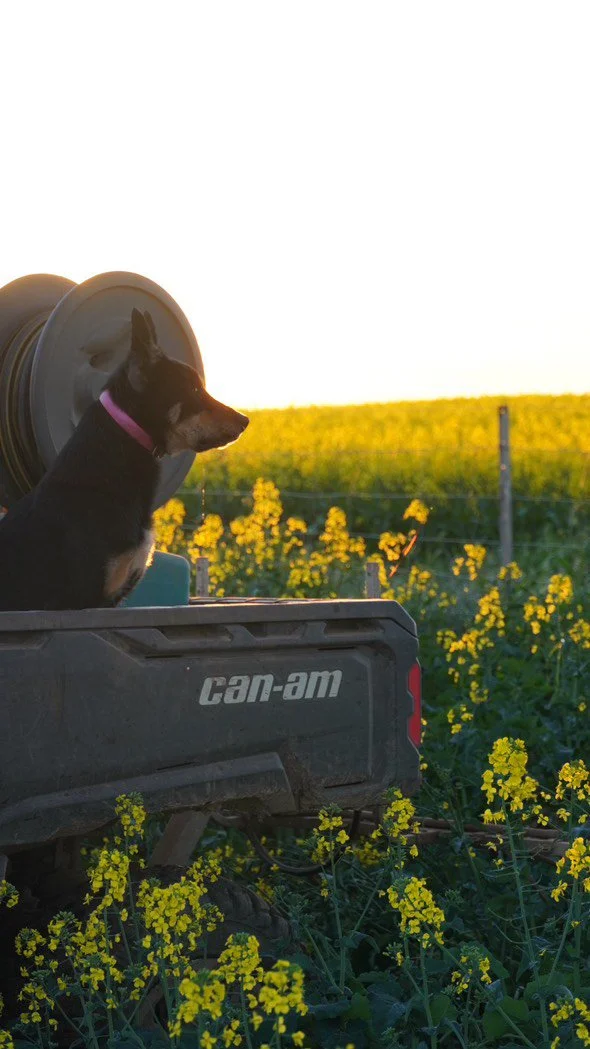
Impacts of Stubble Treatment on Canola Establishment
This trial showed that late burning or cultivation of wheat stubble often improved canola establishment and yield compared with mulched or standing stubble, but growers must weigh these benefits against the costs, erosion risks and practical constraints of each stubble treatment.
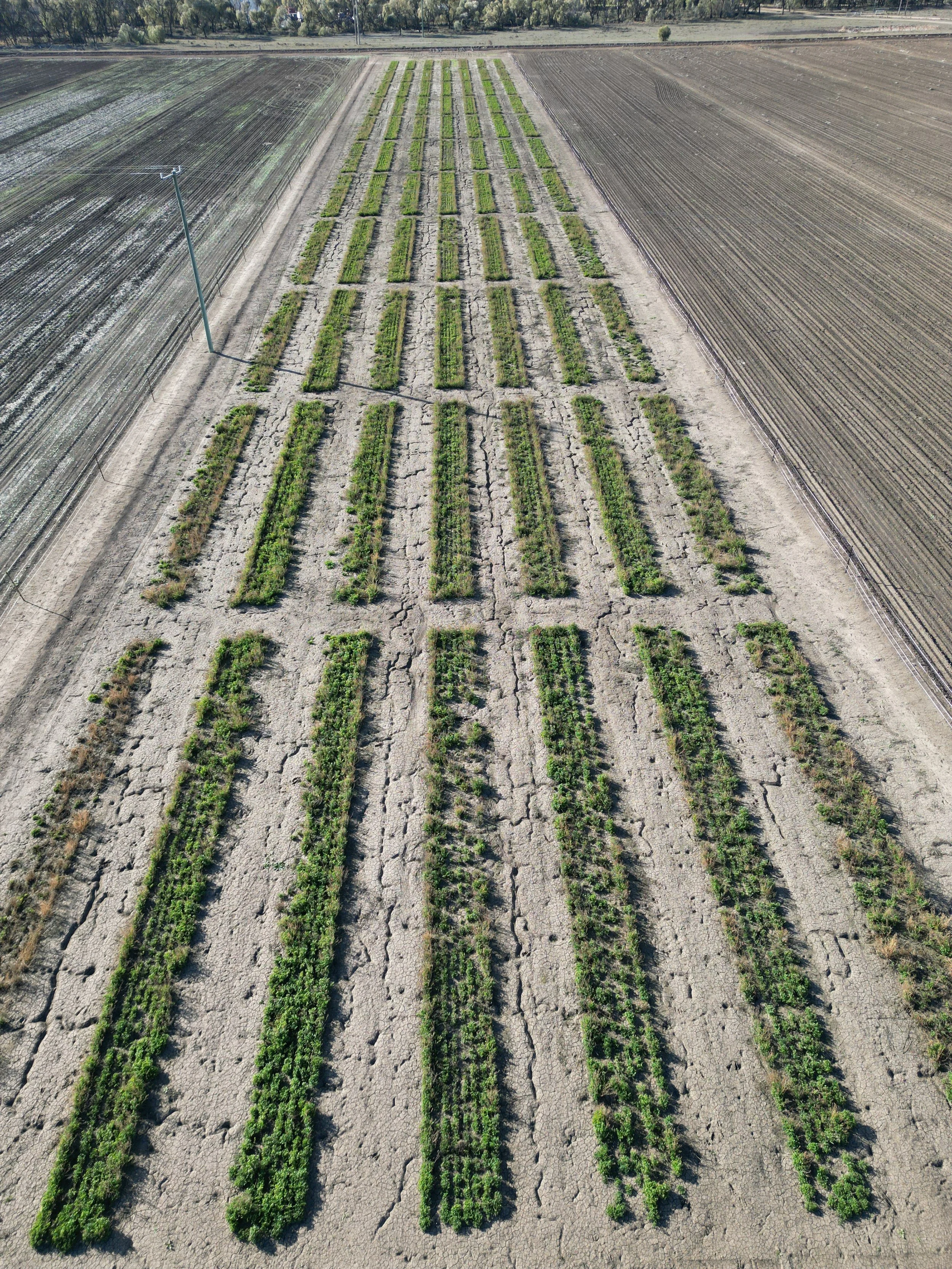
CWFS Lachlan Irrigation Research Site
CWFS Lachlan Irrigation Research Site Central West Farming Systems Inc. (CWFS) received Ministerial Approval to take over management of the Lachlan Irrigation Research Advisory Council (LIRAC) site at Condobolin in August 2013. The site consists of approximately 120ha and 1224 Meg water. An Irrigation Committee has been established with representatives from CWFS, industry stakeholders and...
Low Rainfall Collaboration Project (LRCP)
This GRDC-funded project strengthens collaboration among low-rainfall farming systems groups by sharing research, expertise and decision-support tools, helping growers across southern Australia improve productivity, sustainability and risk management despite limited resources and challenging environments.
Greenseeker Trial
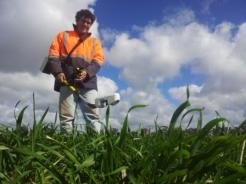
This project used Greenseeker sensor technology to help farmers make more confident, data-driven nitrogen topdressing decisions by comparing crop health in N-rich strips to the rest of the paddock, demonstrating how precision tools can improve profitability, reduce risk and support better nutrient management across diverse farming systems.